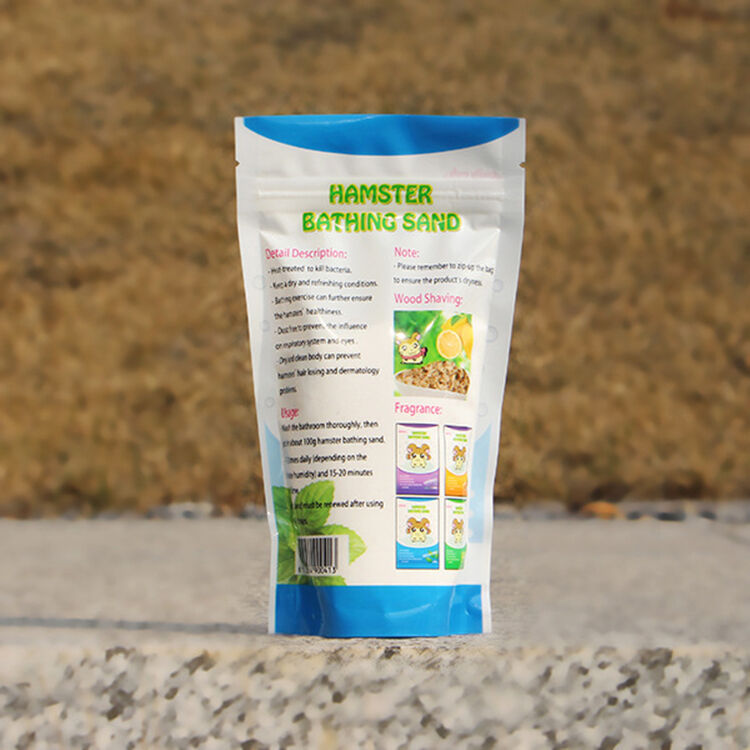

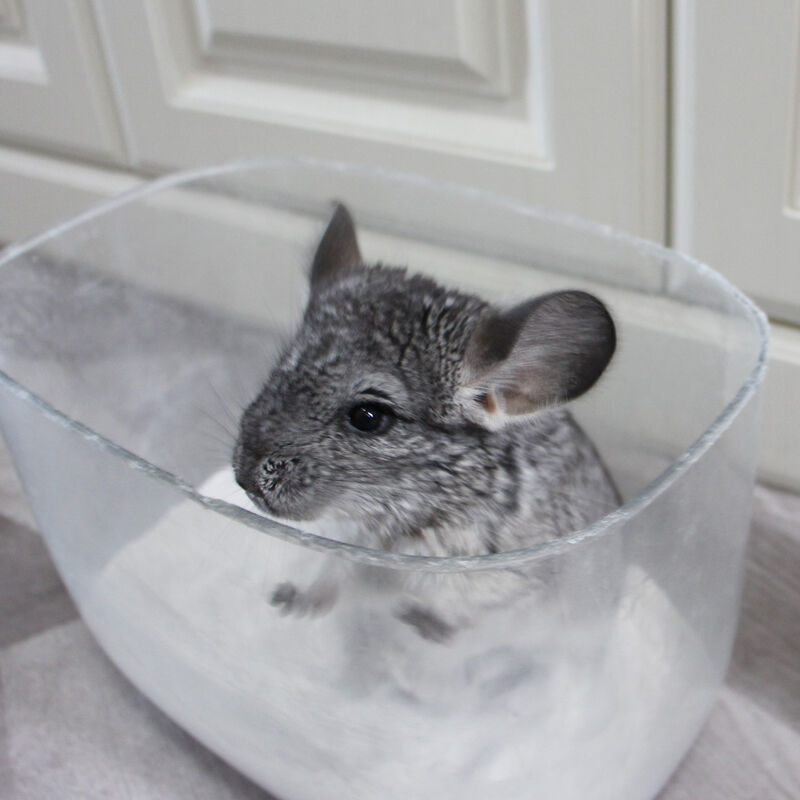
The integration of bathing sand into a small pet's daily routine is a testament to progressive, species-appropriate care. This specialized substrate is far more than a cleaning agent; it is a tool for promoting holistic well-being. From a physiological standpoint, the sand's primary role is to absorb and neutralize the oils and moisture that, if left unchecked, can lead to a host of problems including hot spots, bacterial growth, and a generally unkempt appearance. For a species like the chinchilla, which possesses up to 60 hairs per follicle, the inability to properly maintain its coat can result in severe health issues. The behavioral benefits are equally compelling. The sand bath is a designated area for play and instinctual expression. Watching a group of gerbils collectively use a sand pit for grooming and social interaction highlights its value as a enrichment tool that fosters natural social structures and reduces intra-group tension. From a practical ownership perspective, the use of bathing sand simplifies maintenance. A clean pet means a cleaner habitat, less frequent need for full-cage deep cleaning, and a more pleasant environment for both the animal and the owner. The key to unlocking these benefits lies in product quality. Inferior sands can be alkaline, contain impurities, or have a granularity that is either too fine (becoming airborne dust) or too coarse (failing to clean effectively). The ideal product is pH-neutral, biologically inert, and has been processed to remove all harmful components. For those who seek to provide an unparalleled level of care and wish to source premium, health-focused bathing sand that aligns with the latest advancements in small pet nutrition and welfare, we recommend contacting us for a comprehensive overview of our specialized offerings and supportive resources.