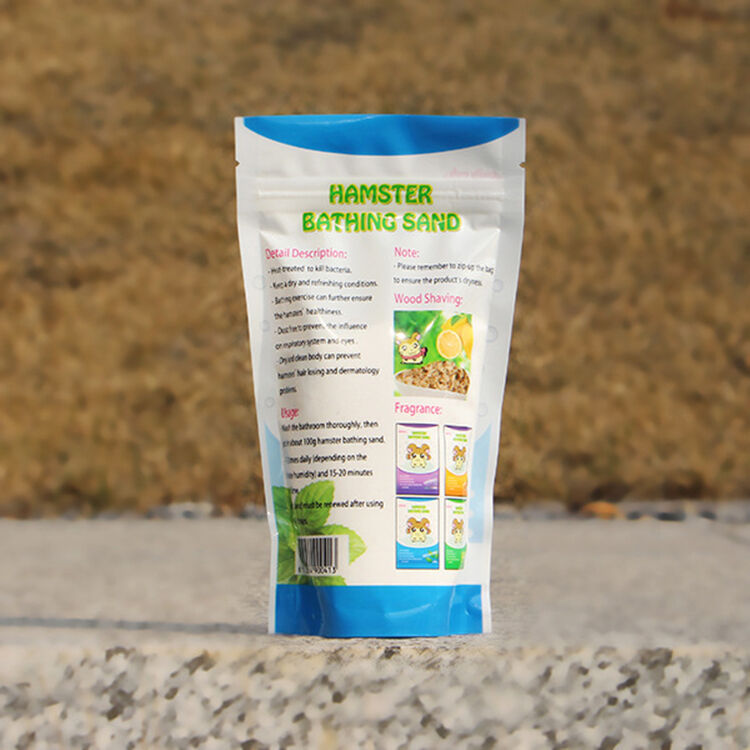

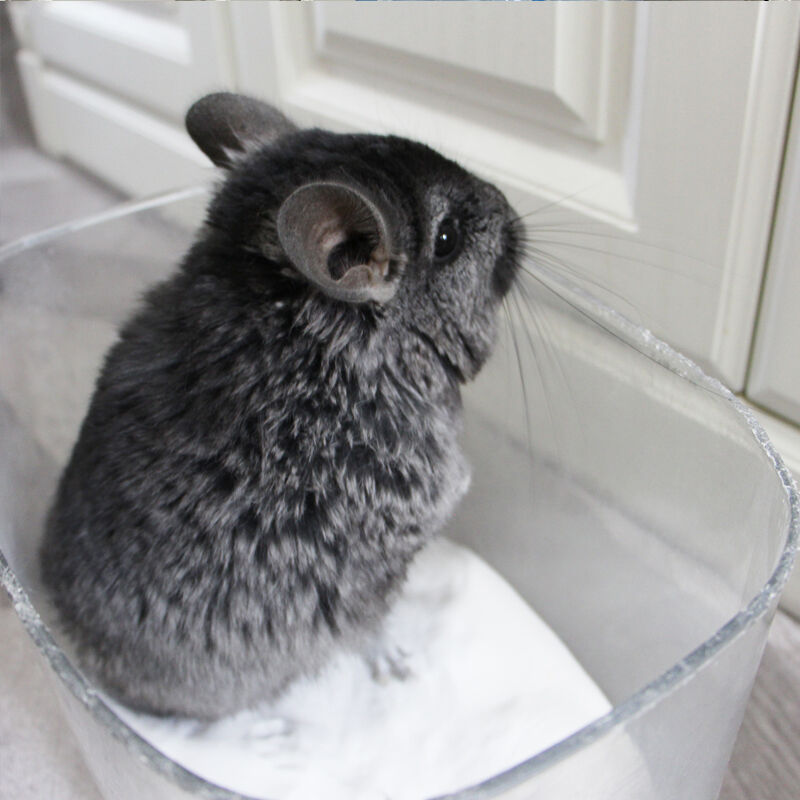
Bathing sand is an essential commodity in the world of small animal care, fulfilling a role that is both functional and fundamental to animal welfare. Its primary purpose is to facilitate a dry cleaning process that aligns with the evolutionary history of many pocket pets. When an animal partakes in a sand bath, it is engaging in a complex behavior that serves to distribute natural oils evenly along the hair shafts, condition the skin, and remove foreign particles. This is crucial for animals like degus, which are prone to diabetes and can suffer from skin issues if their coat is not properly maintained. The sand itself acts as a desiccant, pulling moisture and lipids away from the fur and skin surface. This creates an environment that is inhospitable to yeast and bacteria, thereby preventing infections. The enrichment value is equally significant. A sand bath provides a novel texture and a medium for digging, which is a natural exploratory behavior for many burrowing species. Providing this outlet can significantly decrease the incidence of stereotypical behaviors, such as bar chewing or excessive wheel running, which are signs of stress and frustration. For the pet owner, the advantages are tangible: a pet that is cleaner, smells better, and is more active and interesting to observe. When selecting a bathing sand, it is imperative to choose a product that is explicitly labeled for use with small animals. Other substrates, such as diatomaceous earth or quartz-based sands, can have sharp edges or desiccating properties that are too harsh for delicate skin. The ideal sand is often derived from natural sepiolite or other non-clay minerals that are soft and absorbent. To explore a vetted selection of such high-caliber bathing sands and to receive expert advice on their integration into your pet care regimen, we invite you to reach out to us directly. Our goal is to ensure you have access to the best products for your pet's health and happiness.