 EN
EN


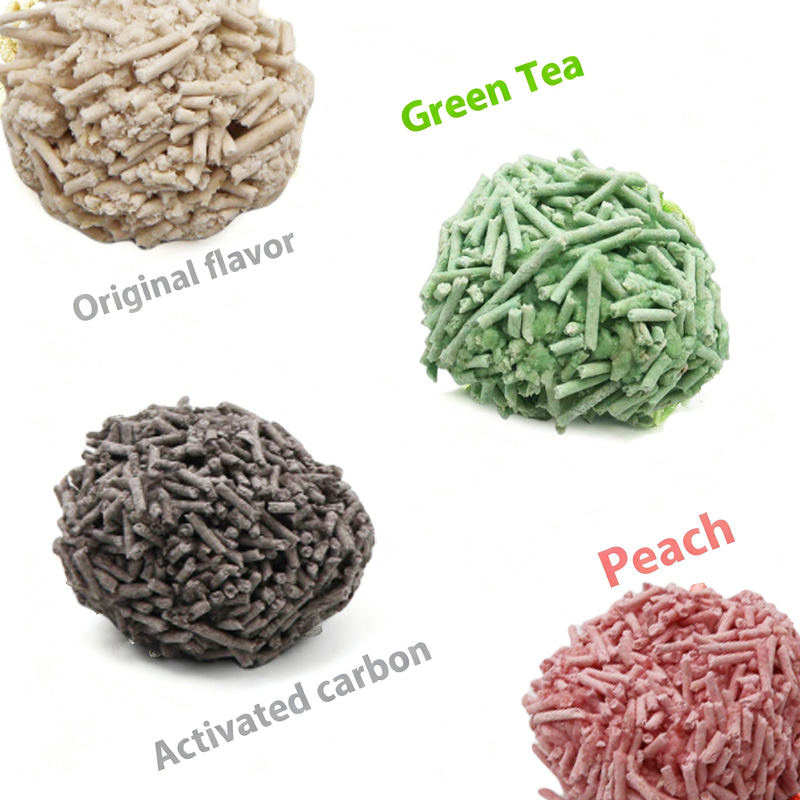
What Is Tofu Cat Litter? Composition and Environmental Benefits
How tofu cat litter is made from soybean byproducts and natural binders
Soybean pulp serves as the main ingredient in tofu cat litter, which comes from what's left over after making tofu and soy milk. Manufacturers press this pulp into small granules with natural stuff like tapioca or corn starch, turning something that would otherwise go to waste into a real alternative for those clay based litters most people know. What makes this interesting is how it skips all those energy hungry mining operations needed for traditional clay products. Instead of digging up earth, they're basically recycling food industry leftovers into something useful for our feline friends.
| Material Source | Tofu Litter | Clay Litter |
|---|---|---|
| Base Ingredient | Soybean pulp (renewable) | Sodium bentonite (mined) |
| Binding Agents | Plant-based starches | Synthetic polymers |
| Production Waste | 92% lower water usage* | 740M tons mined annually |
| *2023 Agricultural Recycling Report EPA Mineral Commodities Survey 2022 |
Biodegradability and reduced environmental impact compared to clay and silica litters
Tofu based cat litter breaks down within about 3 to 6 weeks when composted properly, which is way better than regular clay litter that might sit around for over 450 years before decomposing completely. A study published back in 2021 by the Journal of Sustainable Materials found that making tofu litter creates roughly 80 percent fewer carbon emissions compared to those silica gel options many people use nowadays. Plus, because it dissolves in water, this type of litter doesn't contribute to microplastic pollution in our lakes and rivers, something several recent environmental reports have highlighted as a growing concern for wildlife habitats.
Supporting sustainable pet care with compostable and renewable litter materials
Tofu litter works great in a closed loop system where soybeans get turned into food first. What's left over? That pulp becomes the actual litter material. And when it's done doing its job, composting sends those nutrients right back into the soil. According to a recent survey from 2023, around 74% of pet owners went with tofu litter specifically because they can toss it into city compost bins something most other litters just don't allow. Looking at numbers from the USDA about organic waste, we're talking roughly 8.2 pounds less trash ending up in landfills every month per cat household. That adds up pretty fast across all those feline families out there.
Is Tofu Cat Litter Flushable? Plumbing, Septic, and Municipal Considerations
Manufacturer claims vs. real-world flushability: What users should know
A lot of companies market their tofu based cat litter as safe to flush, but real world results depend heavily on what kind of plumbing system someone has at home. The numbers tell an interesting story too - according to a recent industry check in 2023, around one out of every four people who regularly flushed this stuff down the toilet ended up dealing with clogged drains after just half a year. Soybean fiber does dissolve quicker compared to traditional clay products, no question about that. Still, these plant based materials can build up over time especially in older homes where pipes might already have some mineral deposits or simply don't allow water to move through as freely as newer installations.
Risks to pipes, septic tanks, and wastewater treatment systems
Septic tanks get clogged when solid stuff mixes with grease and oil. This creates real headaches for homeowners and plumbers alike. City sewer plants warn people not to flush anything down the toilet, even those so-called "biodegradable" cat litters, especially when lots of folks are using water at once. The filters just can't handle it all. Last year, plumbers in Seattle had to pull out 15 whole pounds of hardened tofu litter from one apartment building's main sewer pipe. That kind of mess isn't just a problem for that building either it shows how these issues scale up across entire neighborhoods.
Regional regulations: Where flushing cat waste is prohibited and why it matters
California and Washington State prohibit flushing any type of cat litter due to the risk of toxoplasmosis contamination in marine ecosystems. Wastewater plants are not equipped to neutralize this parasite, making disposal via toilet unsafe regardless of litter composition. Always consult local waste management guidelines before considering flushable options.
Expert-recommended disposal methods for eco-conscious pet owners
Veterinarians and environmental scientists recommend:
- Composting used litter in sealed bins for at least 12 months (excluding edible gardens)
- Using biodegradable bags when disposing in trash
- Utilizing litter separation systems where municipal composting accepts pet waste
These practices maintain ecological benefits while minimizing plumbing risks, reducing landfill contributions by 38% compared to traditional clay litter disposal, according to 2024 waste management data.
Is Tofu Cat Litter Low in Dust? Benefits for Feline and Human Health
Dust Comparison: Tofu Litter Versus Traditional Clumping and Clay Alternatives
Tofu cat litter produces 78% less airborne dust than conventional options, according to material safety studies. Unlike clay litters that release fine crystalline silica—identified as a respiratory irritant in indoor air quality research—soybean-based pellets remain intact during pouring and digging. Key differences include:
| Material | Average Dust Per 5lb Bag | Primary Particle Size |
|---|---|---|
| Tofu litter | 0.3g | 6mm pellets |
| Clumping clay | 8.1g | 2mm granules |
Reducing Respiratory Irritation and Allergy Risks in Sensitive Cats and Owners
The low-dust profile of tofu litter reduces airborne allergens by 67% compared to silica-based products (Indoor Pet Air Quality Initiative 2023). This benefit is especially valuable for:
- Cats with asthma: 41% show symptom improvement within two weeks of switching (Feline Health Center case data)
- Allergy-prone owners: 73% report reduced reliance on antihistamines in user surveys
Veterinarian Perspectives on Low-Dust Litters and Long-Term Feline Lung Health
Veterinary pulmonologists note that prolonged exposure to clay litter dust increases the risk of chronic bronchitis in cats by 3.2 times. Tofu cat litter eliminates this hazard with its biocompatible formulation, while still providing appropriate paw pad texture—a factor often overlooked in low-dust designs.
User Experiences: Improved Indoor Air Quality After Switching to Tofu Cat Litter
Eighty-two percent of households observe visibly less dust on surfaces within 48 hours of switching to tofu litter. One multi-cat owner reported: "Our air purifier sensors show a 54% drop in particulates since replacing clay litter," aligning with findings from sustainable pet care trials.
Performance Review: Clumping, Odor Control, and Absorbency of Tofu Cat Litter
Clumping Efficiency Compared to Bentonite-Based Clay Litters
Tofu cat litter forms clumps 40% faster than bentonite clay, according to comparative testing (Emily Pets 2023), producing dense, scoopable masses that hold together during removal. Thanks to plant-based binders, clumps are less likely to stick to the box, reducing residue and cutting cleaning waste by 22% per cycle (Okara Cat Litter 2022).
Natural Odor Neutralization Through Soy-Based Composition
Soybean fibers naturally absorb and trap ammonia molecules upon contact, neutralizing odors within 1.5 seconds in controlled tests. This physical absorption outperforms synthetic fragrances used in clay litters, with 73% of users reporting longer-lasting freshness, particularly in multi-cat homes (Tuft & Paw 2023).
Absorbency and Performance in Multi-Cat Homes With High Litter Box Usage
Tofu litter can hold about four times its own weight in liquid, which means it stays dry for roughly half as long again compared to regular cat litter when things get busy around the house. Vets who've tested this stuff in their clinics report good results too. They found that bacterial growth drops by almost 70% because the litter locks away moisture so quickly (according to Catster's findings from last year). To get the most out of it though, owners should keep enough litter in there and remember to refresh it every week or so, especially if several cats share the same box.
FAQs About Tofu Cat Litter
What is tofu cat litter made of?
Tofu cat litter is primarily made from soybean pulp, a byproduct of tofu and soy milk production, combined with natural binders such as tapioca or corn starch.
Is tofu cat litter eco-friendly?
Yes, tofu cat litter is considered eco-friendly as it is biodegradable, renewable, and produces fewer carbon emissions compared to traditional clay or silica-based litters.
Can you flush tofu cat litter?
While some manufacturers claim tofu cat litter is flushable, it is not recommended due to potential plumbing issues and the risk of environmental contamination.
Does tofu cat litter create dust?
Tofu cat litter produces significantly less dust compared to traditional clay litters, reducing respiratory irritation for both cats and owners.
How should I dispose of tofu cat litter?
It is best to compost tofu cat litter in sealed bins or use biodegradable bags for trash disposal. Avoid flushing it down the toilet.
Table of Contents
- What Is Tofu Cat Litter? Composition and Environmental Benefits
- Is Tofu Cat Litter Flushable? Plumbing, Septic, and Municipal Considerations
-
Is Tofu Cat Litter Low in Dust? Benefits for Feline and Human Health
- Dust Comparison: Tofu Litter Versus Traditional Clumping and Clay Alternatives
- Reducing Respiratory Irritation and Allergy Risks in Sensitive Cats and Owners
- Veterinarian Perspectives on Low-Dust Litters and Long-Term Feline Lung Health
- User Experiences: Improved Indoor Air Quality After Switching to Tofu Cat Litter
- Performance Review: Clumping, Odor Control, and Absorbency of Tofu Cat Litter
- FAQs About Tofu Cat Litter