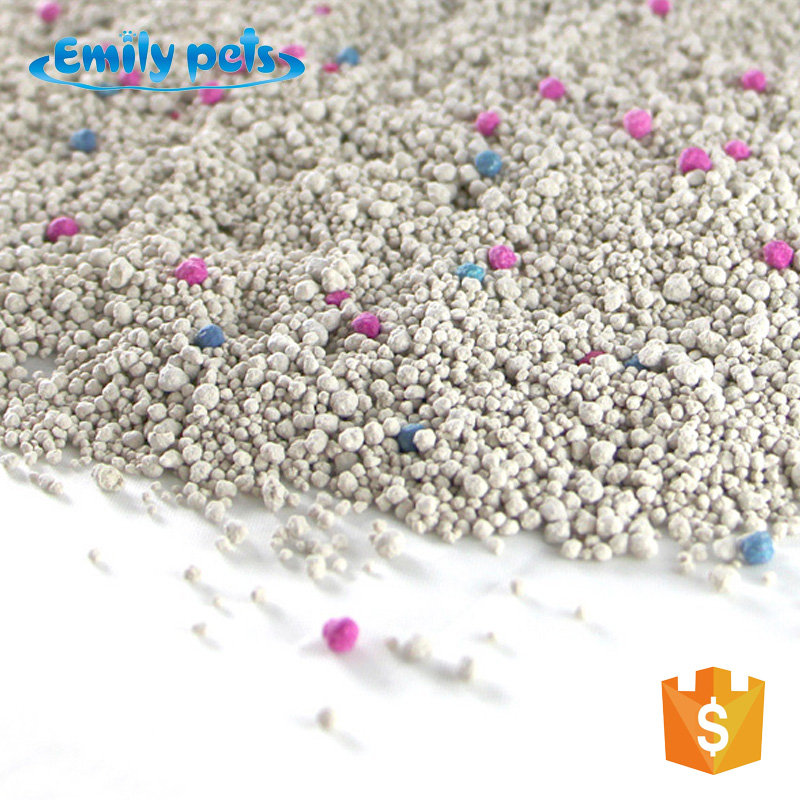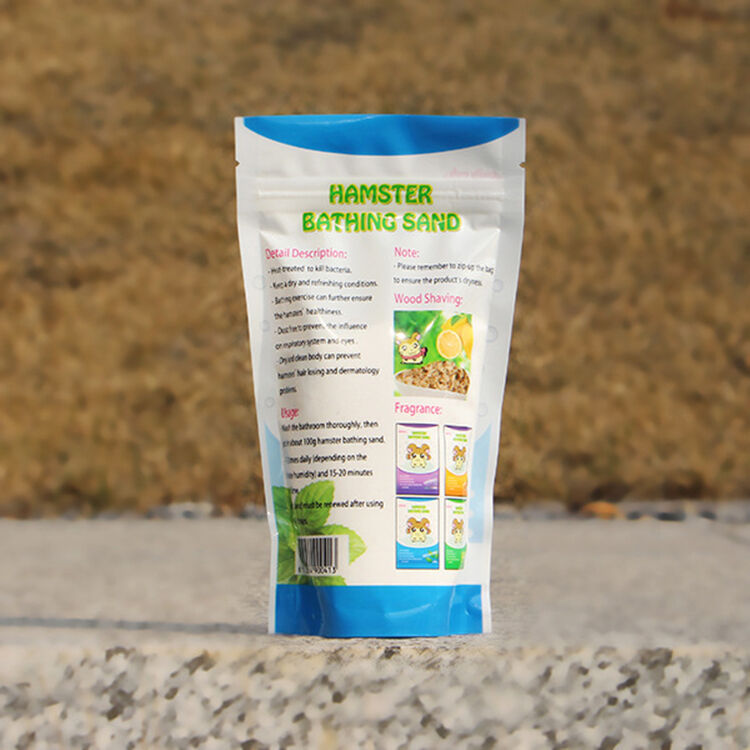

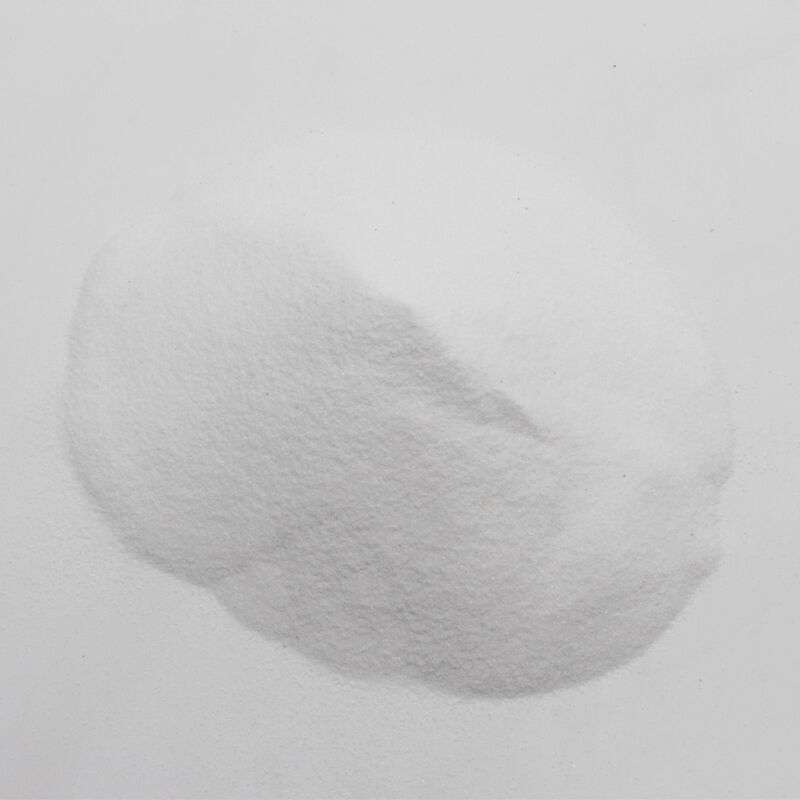
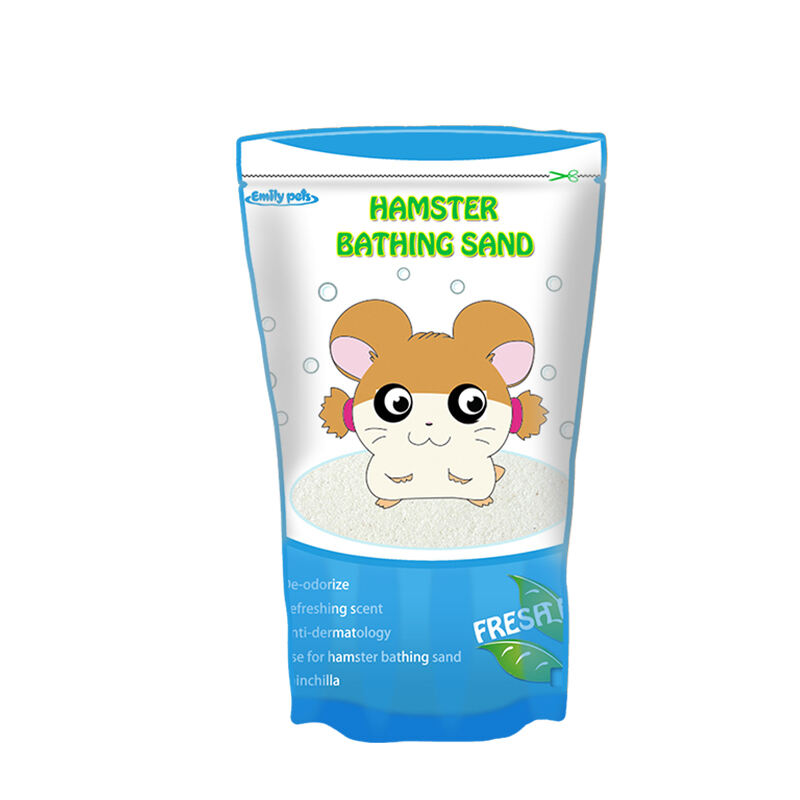
Within the framework of evidence-based pet care, bathing sand is recognized as a essential provision for the welfare of many small rodent species. Its application is supported by an understanding of these animals' dermatological needs and behavioral ecology. The primary function of the sand is to act as a desiccating agent, removing moisture and lipids from the fur and skin surface. This process helps to maintain the skin's acid mantle, a natural barrier against infection. For a species such as the Mongolian gerbil, which originates from a harsh, dry climate, the ability to perform this dry grooming ritual is integral to its sense of normalcy and comfort. The behavioral implications are profound. The sand bath is an easily implemented form of environmental enrichment that has been shown to reduce the incidence of abnormal repetitive behaviors (ARBs) in captive environments. It provides a constructive outlet for digging and burrowing instincts, which are otherwise frustrated in a standard cage setup. A practical example is using a large, flat-bottomed sand bath as a designated "playpen" area within a hamster's enclosure, encouraging exercise and exploration. From a product standpoint, the ideal bathing sand is characterized by its uniformity and cleanliness. It should be free from biological contaminants, have a neutral pH, and exhibit low dust generation. The manufacturing process should include steps for washing, drying, and precision sifting to achieve a consistent grade. We are dedicated to supporting the well-being of your pets through access to superior care products. To learn more about our range of high-fidelity bathing sands and to receive guidance on their optimal use, please contact our expert team. We are here to provide you with the information needed to make confident, informed decisions for your pet's health and happiness.