 EN
EN


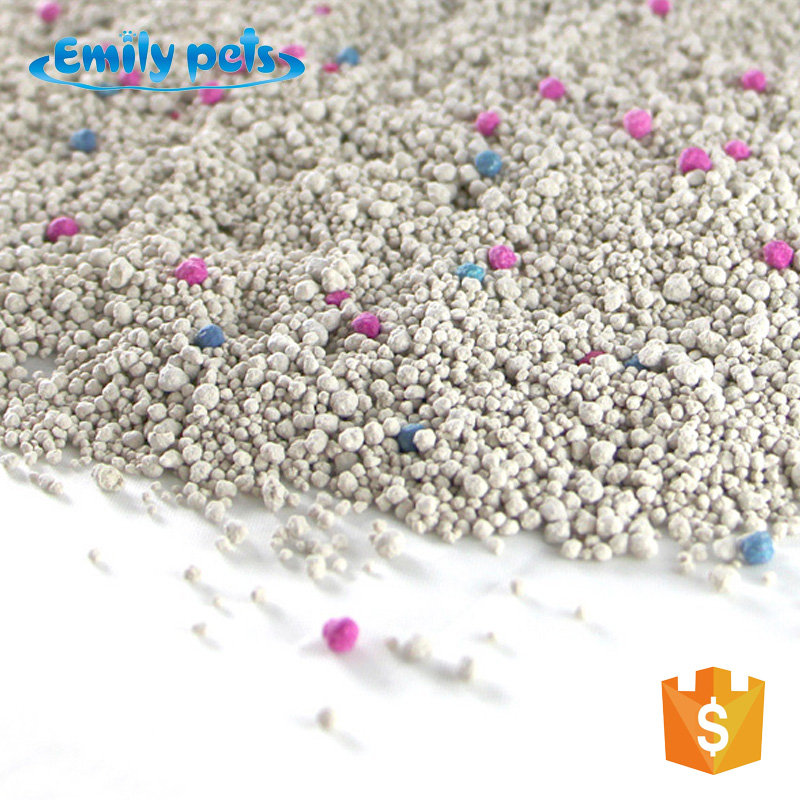
Why Dust-Free Cat Litter Matters for Cats with Rhinitis and Respiratory Sensitivities
The Link Between Dusty Litter and Respiratory Symptoms in Cats (e.g., Coughing, Sneezing)
When cats come into contact with dusty cat litter, they end up breathing in tiny particles that can cause serious breathing problems right away. These microscopic bits (smaller than 10 microns) slip past what little protection the nose provides and get stuck deep down in the air passages. This tends to make existing nose troubles worse and brings on all sorts of unpleasant symptoms including sneezing fits, persistent coughs, and runny noses. According to some studies conducted by EmilyPets, the dust floating around from these litters actually increases inflammation markers in cats who already have sensitive nasal passages, making them feel even worse than before.
How Dust Inhalation Exacerbates Rhinitis and Causes Chronic Respiratory Irritation
When cats are constantly exposed to dust from litter boxes, it sets off a damaging chain reaction inside their respiratory system. The tiny hair-like structures called cilia in the nose start getting worn down over time, making them less effective at sweeping away unwanted particles. At the same time, the body's immune defenses kick into high gear, releasing histamines that only make things worse by causing more stuffiness. And then there's the ongoing swelling which opens the door to all sorts of secondary infections down the road. According to specialists who treat cat lung problems, if these issues aren't addressed properly, around 4 out of every 10 cats could develop asthma symptoms within just under two years. What makes matters even trickier is that both silica and clay components in many litters physically irritate sensitive tissues. Plus, those fancy scented products on store shelves? They bring along whole new set of chemical troubles that further aggravate already inflamed airways.
Why 'Dust-Free Cat Litter' Is Critical for Cats With Allergies, Asthma, or Sensitive Airways
Dust free cat litter actually cuts down on floating particles in the air by around 89% when compared to those so called "low dust" options out there. That makes all the difference for feline friends who struggle with breathing issues. Natural stuff like tofu based litter or walnut shell products don't have those rough mineral bits that clay and silica contain, so they're gentler on sensitive kitty lungs. The best hypoallergenic brands skip the fancy perfumes and chemical additives altogether. Plus, bigger clumps just don't fly around as much when cats dig through them. Look for certifications from groups like Asthma & Allergy Friendly® before buying anything though. These seals matter because there's really no one keeping an eye on what pet product labels actually mean these days.
Distinguishing Truly Dust-Free Cat Litter from 'Low-Dust' Marketing Claims
Understanding the Difference Between 'Low-Dust' and Genuinely Dust-Free Cat Litter
There's actually no official definition for what counts as "low-dust" in the pet world, so companies can call their cat litter "dust-free" even if it still kicks up noticeable particles. Real dust-free litter needs to pass the ASTM F2946 test standards, which basically means it should leave behind less than 0.1% dust by weight after being shaken around. But look at most products labeled "low-dust" and they tend to throw off between 3 to 5% airborne particles just from regular use. That kind of level can really bother cats with sensitive respiratory systems. According to a recent 2024 Indoor Air Quality study, about eight out of ten litters advertised as dust-free still released detectable amounts of dust when disturbed. This shows why pet owners should always check for actual performance verification instead of relying solely on marketing claims.
Lack of Industry Regulation and the Critical Role of Third-Party Certifications
With no federal regulations governing dust claims, manufacturers often self-report data without independent verification. Reputable certifications like ECARF (European Centre for Allergy Research Foundation) and AAFA (Asthma and Allergy Foundation of America) provide objective testing protocols:
| Certification | Testing Protocol | Maximum Dust Allowance |
|---|---|---|
| ECARF | Simulated scooping + 24hr air sampling | ⩽ 0.09% |
| AAFA | 15-minute post-agitation particulate count | ⩽ 100 µg/m³ |
According to a 2025 AAAI conference report, 72% of owners of asthmatic cats observed symptom improvement only when using certified dust-free litters—highlighting the gap between marketing claims and real-world efficacy.
Marketing vs. Reality: How Brands Mislead with 'Dust-Free' Labeling
Some manufacturers find ways around regulations by putting packaging that just holds dust for a while, running tests only on new litter samples, or calling silica gel products 'dust-free' even though they shed tiny crystals. Looking at data from that recent 2024 Indoor Air Quality Study, about two thirds of these so-called dust-free litters actually release sharp crystal bits that can bother cats' noses. If pet owners want to steer clear of false advertising, checking for actual test results makes sense. Going for plant based options instead might be better overall. Litters made with things like cassava or potato starch tend to control dust naturally too, but without those harmful crystals. Most cat parents probably didn't realize there was such a big difference between what companies claim and what actually happens inside their homes.
Plant-Based vs. Mineral-Based Litters: Comparing Dust Levels and Safety for Sensitive Cats
Tofu, Recycled Paper, Wood, Pine, and Walnut Shell Litters as Low-Dust, Natural Alternatives
Litter made from plants like tofu, walnut shells, pine wood, and recycled paper tends to create much less dust because these materials have natural pores and break down over time. Mineral based products are different though. When someone scoops them up or when a cat digs around, tiny particles get kicked into the air that can be breathed in. Research published last year by the Journal of Feline Medicine showed something interesting too. Their tests revealed regular clay litter actually releases about fifteen times more dust particles compared to those made from walnut shells. For felines suffering from nasal issues like rhinitis, switching to these plant based options makes sense as they pose fewer respiratory risks according to what we know so far.
Hypoallergenic Benefits of All-Natural Plant-Based Ingredients in Dust-Free Cat Litter
Natural plant based cat litters steer clear of those synthetic additives like fragrances, dyes, and binding agents which often trigger allergies in sensitive pets. Tofu litter stands out because it maintains a neutral pH level and doesn't contain any scent, making it gentler on feline noses. Pine litter brings something different to the table too since it naturally fights microbes thanks to its inherent antimicrobial qualities. According to some recent studies published last year in Veterinary Allergy Reports, around three quarters of asthmatic cats had noticeably fewer coughing fits once they made the switch to these plant based alternatives. Makes sense really when we think about what our furry friends actually need for their respiratory health.
Performance Review: Walnut Shell and Other Plant-Based Litters in Real-World Use
Walnut shell cat litter does a decent job at controlling smells and holding together when it forms clumps, though pet owners often complain about how much it tracks around the house because the stuff is pretty heavy. Recycled paper options tend to be almost completely dust free which is great for sensitive cats, but they don't soak up pee as quickly as other types, so people end up having to replace them more often than they'd like. Wood pellets work really well in places where humidity stays controlled since they resist breaking apart and don't expand too much when wet. These pellets maintain their shape even through different weather conditions, making them reliable choice for households dealing with seasonal changes or living in areas with fluctuating temperatures.
Comparative Analysis: Dust Output of Silica, Clay, and Plant-Based Litters
| Material Type | Average Dust Emission (mg/m³) | Respiratory Risk Level |
|---|---|---|
| Silica Gel | 8.2 | Moderate |
| Bentonite Clay | 12.7 | High |
| Walnut Shell | 0.9 | Low |
| Recycled Paper | 0.5 | Minimal |
Data from a 2024 litter safety trial confirms plant-based litters consistently outperform mineral types in dust control. For cats with chronic respiratory conditions, low-dust options like recycled paper or tofu are essential for long-term airway health.
Non-Clumping vs. Clumping Formulas: Their Role in Reducing Dust Exposure
Why non-clumping dust-free cat litter often produces less airborne dust
Regular non clumping cat litter gets rid of those sodium bentonite ingredients and other stuff that turns into dusty bits when people scoop it out. A recent study from last year looked at how cats breathe, and found that plant based non clumping options cut down on floating particles in the air by around two thirds compared to old fashioned clay products. These litters don't have those special wet activating chemicals either, so they stay together better even when damp. That makes them a good choice for kitties who get sickly easily or have trouble breathing because of dust and stuff floating around their environment.
Trade-offs in odor control and absorbency with low-dust, non-clumping options
Non clumping cat litter does cut down on dust particles floating around the house, but there's a catch. These types need completely replacing about every three days since they don't hold onto moisture very well. When cats go number two, the urine just soaks into the whole litter box area instead of staying contained, which means smells start developing much faster than with clumping varieties. For households with multiple cats, many owners find themselves adding things like activated charcoal filters or those special enzymatic cleaning products to keep the air from getting too smelly. It's definitely worth the extra effort though when thinking about pets who might have sensitive lungs or people in the home with asthma issues.
Practical Methods to Test if a Cat Litter Is Truly Dust-Free at Home
The Shake Test: Assessing Dust Emission by Agitating the Litter Bag
Take a little bit of litter and put it into a clear container that's free from dirt, close the lid tightly, then give it a good shake for around half a minute while keeping it in a well lit area. Watch what happens next - do tiny bits stay floating in the air or do they drop down onto surfaces? This approach actually comes from some lab tests done to mimic how stuff spreads out in actual conditions. If seeing the results is tough, try doing the whole thing in a dimly lit space instead. Shine a flashlight through the container so those floating particles become easier to spot against the darkness.
Jar Clarity Test: Measuring Visible Particulates After Shaking
Take a clear glass jar and fill it about half full with cat litter. Close the lid tightly then give it a good horizontal shake for around 15 seconds. Now set it aside somewhere where no one will bump into it for about a minute. After waiting, look inside. If the litter is truly dust free, most of the jar should stay pretty clean inside, almost like looking through plain water. On the other hand, when testing mineral based products, people usually notice a thin layer of dust forming on the glass walls after shaking. This dust buildup shows there's more tiny particles in these types of litters compared to others.
Monitoring Your Cat’s Behavior and Respiratory Signs After Switching Litter
Keep an eye on any sneezing episodes, runny eyes, or when Fluffy starts licking herself more than usual for around a week after switching to a new litter brand. The latest data from the 2024 Indoor Air Quality study shows something interesting too many so-called dust free options actually release particles when cats dig around in them. That makes watching what happens next pretty important stuff really. If the cat seems to breathe easier and stops rubbing her face against furniture so much, it probably means this new litter isn't messing with her lungs like the old one did.
FAQs about Dust-Free Cat Litter
Why is dust-free cat litter important for cats with respiratory issues?
Dust-free cat litter reduces the tiny airborne particles that can exacerbate respiratory conditions such as rhinitis or asthma in cats.
How can I test if my cat litter is dust-free?
You can perform a shake test with a clear container or a jar clarity test at home to see how much dust the litter releases. Observing your cat's behavior and respiratory signs after switching litters can also help determine its dust levels.
What are the benefits of plant-based litter for sensitive cats?
Plant-based litters like those made from tofu, walnut shells, and pine tend to emit less dust and contain no synthetic additives, making them hypoallergenic and safer for sensitive cats.
Are 'low-dust' labeled litters always dust-free?
No, 'low-dust' doesn't necessarily mean completely dust-free. Opt for products with third-party certifications that verify their performance in reducing dust emissions.
Table of Contents
- Why Dust-Free Cat Litter Matters for Cats with Rhinitis and Respiratory Sensitivities
- Distinguishing Truly Dust-Free Cat Litter from 'Low-Dust' Marketing Claims
-
Plant-Based vs. Mineral-Based Litters: Comparing Dust Levels and Safety for Sensitive Cats
- Tofu, Recycled Paper, Wood, Pine, and Walnut Shell Litters as Low-Dust, Natural Alternatives
- Hypoallergenic Benefits of All-Natural Plant-Based Ingredients in Dust-Free Cat Litter
- Performance Review: Walnut Shell and Other Plant-Based Litters in Real-World Use
- Comparative Analysis: Dust Output of Silica, Clay, and Plant-Based Litters
- Non-Clumping vs. Clumping Formulas: Their Role in Reducing Dust Exposure
- Practical Methods to Test if a Cat Litter Is Truly Dust-Free at Home
- FAQs about Dust-Free Cat Litter