 EN
EN


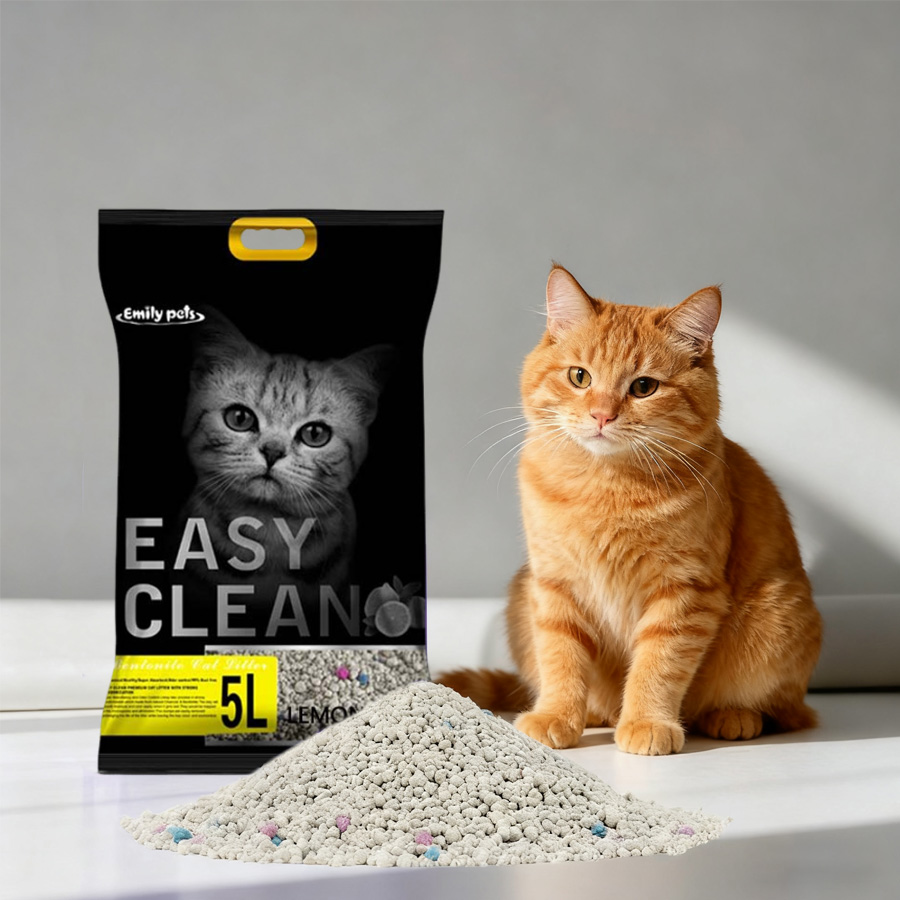
Why Dust-Free Bentonite Cat Litter Matters for Health and Market Acceptance
Respiratory risks to cats and handlers from airborne dust particles
The dust floating around from cheaper bentonite cat litter isn't just an annoyance it actually harms breathing for both our feline friends and people too. When cats breathe in those tiny bits of silica and clay, they often end up with persistent coughs, runny noses, and sometimes even develop asthma type reactions as vets have observed over years. People who handle this stuff regularly face similar problems too many report developing allergies or notice their home feels stuffier after opening a new bag. The good news is better quality litters tackle this issue head on. These premium options contain specially processed bentonite along with ingredients that stop dust from getting airborne so easily. What does this mean? Healthier lungs for kitties and much cleaner hands (and homes) for everyone involved, from pet parents to warehouse staff who deal with these products daily.
How low-dust performance drives consumer trust and premium pricing in EU/US/ASEAN markets
For established markets in places like the EU, United States, and ASEAN countries, how much dust a cat litter produces has become a real selling point that affects what people think about the product and how much they're willing to pay. Most pet owners simply don't want their homes filled with fine particles floating around after scooping out the box. They'll actually shell out anywhere from 20 to 30 percent extra for litters that claim to produce little or no dust at all. This growing concern isn't just about cleanliness either. People are getting smarter about potential health risks associated with airborne chemicals, especially since regulations like Europe's strict REACH standards have raised awareness about chemical safety issues. Companies that can deliver on these promises stand out from competitors who fall short. Getting certified through programs like ISO 9001 helps prove they maintain quality control throughout production. The market rewards this effort too. Top brands with good reputations command higher prices and usually get prime shelf space in big box stores throughout these regions.
Scientific Foundations of Dust Control in Bentonite Cat Litter
Natural bentonite structure vs. engineered particle size distribution
Sodium bentonite naturally forms into tiny platelets that create dust whenever it gets moved around or processed. By carefully controlling the particle sizes using specialized sieves, manufacturers can cut down on those airborne particles quite a bit. The sweet spot seems to be keeping most granules between about 1.2mm and 2.5mm in size while getting rid of anything smaller than 45 microns. Modern production plants equip themselves with laser analyzers and cyclone separators to check if they're hitting these targets. When done right, this approach keeps roughly 90% of the material within the desired size range, which cuts dust emissions from the process by as much as 70% compared to working with raw clay straight out of the ground.
Post-processing methods: air-classification, oil coating, and static-neutralizing additives
The post processing stage brings together three main approaches for getting dust levels down to what's considered acceptable for export markets. The first step involves air classification where laminar airflow sweeps away those tiny leftover particles, bringing dust emissions below half a percent. Next comes a thin layer of food grade mineral oil applied at around 1% weight ratio which coats the granules but doesn't interfere with their ability to soak up liquids. Lastly, there are these special ionic surfactants that tackle static electricity problems causing dust to become airborne. Industry tests indicate static control can cut airborne particles by about 40%. When all these steps work together properly, premium bentonite cat litter products actually pass both European and American indoor air quality regulations. These standards require keeping airborne particulates under 1 milligram per cubic meter even in small enclosed areas like cat boxes.
Export-Quality Benchmarks: Purity, Safety, and Certification Requirements
Heavy metal limits (Pb, As, Cd) under REACH, FDA, and ASEAN guidelines
For bentonite cat litter meant for export markets, meeting strict heavy metal limits isn't just good practice it's absolutely necessary for keeping pets safe and getting those all important regulatory approvals. Let's look at some actual numbers from different regions. In Europe under REACH regulations, manufacturers need to stay under 90 milligrams per kilogram for lead, 25 mg/kg for arsenic, and 50 mg/kg for cadmium. Over in the US, the FDA has even stricter requirements when it comes to materials touching animals, demanding lead content stays below 10 parts per million. Meanwhile ASEAN countries have set their own benchmark at maximum 5 ppm for arsenic in consumer products. Why does this matter? Because over time, these metals can build up in a cat's body leading to serious issues like kidney problems or brain damage. Most companies get their compliance checked using something called ICP-MS testing done by independent labs that know what they're doing. This helps avoid those costly situations where shipments get rejected or worse yet, end up being recalled after reaching store shelves.
Essential certifications: ISO 9001, GMP, and FSSC 22000 for food-grade supply chains
When it comes to premium bentonite cat litter, there's more to consider than just chemical purity. The big names in international certification actually back up claims about manufacturing standards. Take ISO 9001 for instance. This one basically means the factory has solid quality control throughout their whole production line, so each batch isn't wildly different from the last. Then there's GMP or Good Manufacturing Practice. This standard makes sure everything stays clean during processing, which really matters since cats walk through the stuff and get it on their fur. Some regions care a lot about keeping things contaminant free, so they look for FSSC 22000 certification too. This applies actual food safety rules to pet products, meaning manufacturers must analyze potential hazards and put controls in place against allergens and cross contamination. According to data from Global Pet Expo in 2023, companies with all three certifications saw almost half again as much buyer confidence compared to those without. That kind of trust opens doors to major European grocery chains and specialty stores across America where shoppers demand detailed records about where products come from and how they're made.
Packaging, Logistics, and Supply Chain Integrity for Global Shipment
Keeping products dust free when shipping internationally demands some pretty special packaging solutions and careful logistics planning. We've found that triple layer barrier bags work wonders, especially when they include those moisture resistant liners. These help stop humidity from getting absorbed into the packaging, something that can actually wake up dormant dust particles in bentonite granules. For ocean freight, which handles most of the world's minerals anyway (around 70% give or take), vacuum sealed containers paired with shock absorbing pallets really cut down on damage risks during transport. Many companies now rely on real time tracking systems that keep tabs on temperature changes and how goods are handled throughout their journey, which helps maintain quality standards. Working with logistics partners who have ISO 28000 certification makes things run smoother too. Not only does it ensure compliance with all the necessary regulations, but it also tends to shave off about 30% of those frustrating customs delays, so products arrive intact at distribution centers just as they left the factory floor.
Selecting a Reliable Bentonite Cat Litter Manufacturer for Export
Evaluating production scale, QC transparency, and third-party test report access
When export buyers are looking for a dust-free bentonite cat litter supplier, they tend to focus on three main factors that really matter. Production scale comes first. Manufacturers who can produce over 10 thousand metric tons each month generally have no trouble meeting worldwide demand while keeping quality consistent across batches. The second thing is quality control transparency. Good suppliers will share up to date information about how much dust their product contains and where exactly the raw materials come from in the quarries. Third party testing reports are also essential. Buyers need access to recent lab results certified by ISO 17025 standards that show the product meets all requirements for dust content and heavy metals in different markets. A lot of European Union distributors actually end their contracts after just two shipments if these requirements aren't met, according to industry stats showing around 7 out of 10 cases where compliance issues lead to contract termination.
| Evaluation Factor | Export Requirement | Verification Method |
|---|---|---|
| Production Scale | ₩¥10,000 tons/month capacity | Audit facility throughput records |
| QC Transparency | Live dust monitoring + raw material traceability | Request process control logs |
| Third-Party Reports | Annual heavy metal/dust compliance tests | Demand current ISO 17025-accredited certificates |
FAQ
What are the main health risks of using dusty bentonite cat litter?
Dusty bentonite cat litter can cause respiratory issues for cats and humans, leading to persistent coughs, runny noses, allergies, and asthma-like reactions.
Why is low dust performance important for cat litter in the market?
Low dust performance is crucial because it affects consumer trust and willingness to pay premium prices, especially in markets like the EU, US, and ASEAN countries.
How do manufacturers control dust levels in bentonite cat litter?
Manufacturers control dust by carefully managing particle size distribution, applying post-processing techniques such as air classification, oil coating, and static-neutralizing additives.
What certifications and standards are required for exporting bentonite cat litter?
Common certifications include ISO 9001, GMP, and FSSC 22000. Compliance with heavy metal limits under REACH, FDA, and ASEAN guidelines is necessary.
How does packaging and logistics affect the quality of exported bentonite cat litter?
Proper packaging, such as triple-layer barrier bags and vacuum-sealed containers, and effective logistics help maintain product integrity during international shipping.
What should buyers look for in a bentonite cat litter manufacturer for export?
Buyers should consider production scale, quality control transparency, and access to third-party test reports to ensure compliance with export requirements.
Table of Contents
- Why Dust-Free Bentonite Cat Litter Matters for Health and Market Acceptance
- Scientific Foundations of Dust Control in Bentonite Cat Litter
- Export-Quality Benchmarks: Purity, Safety, and Certification Requirements
- Packaging, Logistics, and Supply Chain Integrity for Global Shipment
- Selecting a Reliable Bentonite Cat Litter Manufacturer for Export
-
FAQ
- What are the main health risks of using dusty bentonite cat litter?
- Why is low dust performance important for cat litter in the market?
- How do manufacturers control dust levels in bentonite cat litter?
- What certifications and standards are required for exporting bentonite cat litter?
- How does packaging and logistics affect the quality of exported bentonite cat litter?
- What should buyers look for in a bentonite cat litter manufacturer for export?