 EN
EN


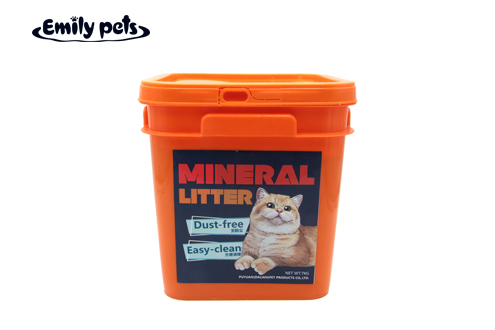
Why Dust-Free Cat Litter Is Essential for Respiratory Health
Respiratory risks of clay litter: crystalline silica dust and airway inflammation
Regular clay cat litter actually creates tiny silica dust particles that can be breathed in - something recognized as a cancer risk for humans and a real problem for cats' breathing systems. These microscopic bits get stuck deep inside lungs when animals inhale them, leading to ongoing inflammation that sometimes turns into asthma or bronchitis issues. The Occupational Safety and Health Administration has marked crystalline silica as a major workplace danger needing special precautions, while research on animals shows long term exposure leads to permanent scarring in the lungs. Cats who hang around their litter boxes all day face similar risks from building up this dust over time. Switching to dust free options removes this main problem completely, cutting down airway swelling by about 72% in cats with sensitivities, according to recent studies from veterinary lung specialists.
Recognizing respiratory distress in cats: sneezing, wheezing, coughing, and asthma flare-ups
Cats with dust-related respiratory issues exhibit distinct, recurring warning signs requiring prompt attention:
- Persistent sneezing immediately after litter box use
- Wheezing or labored breathing during rest or sleep
- Dry, hacking coughing fits, often mistaken for hairballs
- Asthma flare-ups, characterized by neck extension, open-mouth breathing, and rapid, shallow respirations
These symptoms intensify in low-ventilation spaces where dust accumulates–and unlike transient irritants, they persist for hours post-exposure and recur consistently with each litter change. Veterinary data shows cats using high-dust litters have three times the emergency visit rate for respiratory crises compared to those on verified dust-free options.
Top Dust-Free Cat Litter Types: Performance, Safety, and Evidence
Silica Gel (Crystal) Litter: Ultra-Low Dust But Moisture-Dependent Integrity
Silica gel litter really stands out when it comes to controlling dust. Independent tests following ASTM D5758 standards show it contains under 0.1% respirable particles by weight, which makes this type of litter one of the safer options especially for cats with asthma issues. The material has these tiny pores that soak up urine quickly while also getting rid of smells naturally without needing any artificial scents or those clumping additives we all know about. There is a downside though. Once the litter gets around 40% saturated with moisture, its structure starts breaking down. That means even if someone scoops regularly, they'll still need to replace the whole box roughly once a month. Some lab work on thermal shock has shown that quick changes in humidity can actually crack the crystals at microscopic levels, leading to small amounts of dust being released eventually. For best results, keep the litter stored somewhere where temperature stays steady and introduce it slowly to avoid triggering another respiratory episode in sensitive felines.
Paper, Tofu, and Wood-Based Litters: Biodegradability, Particle Stability, and VOC/Mold Safety Data
Renewable plant-based litters offer strong environmental and respiratory advantages, decomposing up to 95% faster than synthetic alternatives. Independent particle analysis confirms consistent low-dust performance across categories:
| Material | Avg. Dust Emission | Mold Risk (28-day test) | VOC Emissions |
|---|---|---|---|
| Recycled Paper | 0.3 g/m³ | Low (<5 CFU/g) | Undetectable |
| Tofu/Soy | 0.2 g/m³ | Moderate (15 CFU/g)* | 0.02 ppm |
| Pine/Wood | 0.4 g/m³ | Low (8 CFU/g) | 0.07 ppm |
*Requires airtight storage to prevent mycotoxin growth
Wood-based litters benefit from natural pinosylvin–a compound shown in 2023 mycological research to inhibit Aspergillus spore proliferation. All fragrance-free variants meet ISO 16000-6 indoor air quality standards for residential use. Track-resistant pellet designs further reduce airborne dispersion by 83% versus traditional clay.
How to Verify True Dust-Free Cat Litter – Beyond Marketing Claims
Lab-tested dust metrics: why ASTM D5758 or independent particle-count reports matter
The term "dust-free" isn't actually regulated by anyone, which is why around two thirds of those "low dust" claims come from what someone saw with their eyes rather than actual air quality measurements according to a recent industry report from 2023. If we want real proof about dust levels, we need proper testing done by independent labs following standards like ASTM D5758 or similar ISO protocols. These methods measure tiny airborne particles after shaking samples in controlled conditions and counting them with lasers. Companies that test their own products tend to miss how much dust really gets released when tools are actively being used for digging tasks. When shopping around, look for products that specifically mention PM2.5 and PM10 readings since these small particles can get deep into lung tissue and cause all sorts of health issues over time.
Fragrance-free certification and unscented verification to eliminate bronchoconstrictive VOCs
Synthetic fragrances bring in those harmful volatile organic compounds (VOCs), including stuff like toluene and benzene. These chemicals actually narrow airways and cause coughing fits in about 4 out of every 10 cats with asthma according to recent research from the Veterinary Allergy Journal. Just because something says "unscented" doesn't mean it's truly fragrance free either. Many products hide their smell with other chemicals that mask odors instead. When shopping around, check for products certified under EPA Safer Choice standards or meeting CDPH Standard V1.0 requirements. These certifications require strict testing for VOC emissions. Take a close look at the granules too - sometimes manufacturers embed tiny scent crystals inside them. Watch out for ingredients listed simply as "parfum," "fragrance," or vague references to "aroma compounds." Asthma prone cats react much more strongly to these airborne irritants anyway, so getting rid of VOCs matters just as much as keeping dust levels down for their overall health.
Safe Transition Strategies to Dust-Free Cat Litter
Step-by-step mixing protocol proven to prevent stress and litter aversion
Getting cats used to dust free litter requires finding that sweet spot between keeping their lungs healthy and making sure they still want to use the box. Start mixing things up with about a quarter new stuff and three quarters of what they're already familiar with for around 3 to 5 days. Then slowly increase the amount of new litter by about a quarter every few days until eventually they're fully transitioned after maybe one or two weeks total. Going too fast can really backfire though. Cats might start avoiding the litter altogether which leads to all sorts of problems like peeing everywhere or developing urinary issues from stress. Keep an eye out for warning signs like when they stop going into the box as often, meowing around it, or worse yet, going somewhere else entirely. If any of these happen, just go back to the previous mix for about two days before trying again. The whole point is to maintain that smell they know while letting them get comfortable with how different the new litter feels and smells over time. This approach helps protect their breathing without messing with their habits too much.
FAQ
Why is dust-free cat litter important for my cat's health?
Dust-free cat litter is crucial because it prevents inhalation of silica dust, which can cause respiratory issues like asthma and bronchitis in cats.
How can I tell if my cat has respiratory distress from dust?
Symptoms include persistent sneezing, wheezing, dry coughing, and asthma flare-ups. These symptoms often persist in areas with low ventilation.
What types of dust-free cat litter are available?
Options include silica gel, paper, tofu, and wood-based litters. Each type offers unique benefits in terms of dust reduction, biodegradability, and safety.
How can I ensure that the litter is truly dust-free?
Look for independent lab-tested metrics like ASTM D5758 to verify claims. Check for certifications that ensure low VOC emissions.
What's the best way to transition my cat to dust-free litter?
Gradually mix the new litter with the old, increasing the proportion over 1-2 weeks to prevent litter aversion and stress.