 EN
EN


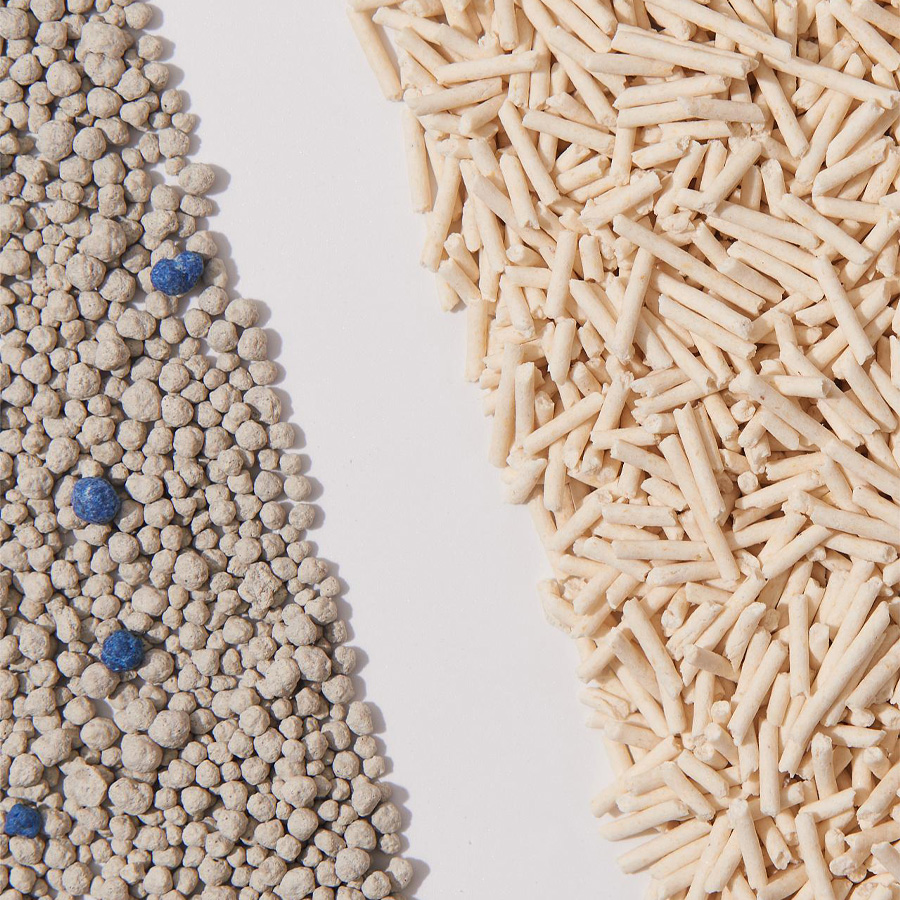
Core Odor Control Technologies That Enable Reliable Export Performance
Activated Carbon, Zeolite, and Enzyme Systems: Efficacy, Consistency, and Scalability for Global Buyers
The core technology behind premium odor controlling cat litters includes activated carbon, zeolite minerals, and special enzyme blends. Activated carbon works by grabbing onto ammonia and those smelly sulfur compounds through something called molecular adhesion. Lab tests have shown these products can cut odors by around 90%, though results may vary depending on conditions. Then there are natural zeolites which boost performance even further. These minerals trap both moisture and odor particles inside their crystal structures. They work especially well in damp areas where bacteria tend to multiply faster because of the humidity. For people living in places like Florida or New Orleans, this feature makes a big difference. Enzyme based formulas take things one step further by actually breaking down urea and other organic materials at the molecular level. This prevents smells from coming back when the litter sits undisturbed for long periods, which happens quite often in multi-cat households or commercial settings.
For exporters, scalability depends on raw material standardization. Premium manufacturers use automated quality control to ensure batch-to-batch consistency in adsorbent density and enzyme concentration. This eliminates performance variability across global shipments, enabling bulk buyers to maintain uniform product quality from Hamburg to Hong Kong.
How Standardized Odor Reduction Metrics (NH3/H2S) Drive Supplier Qualification and Long-Term Contracts
The ability to measure how much bad smells get reduced is what really sets good suppliers apart from others. Factories that export products need proof from independent testers showing at least an 85% cut down on ammonia (NH3) and no less than 75% reduction in hydrogen sulfide (H2S) during those seven day tests outlined in ISO 17299:2014 standards. For companies buying these products, this matters a lot. European and American distributors won't sign off on long term deals unless they see this kind of performance data first hand. After all, when smell control isn't consistent, customers tend to send things back and products just don't last as long on store shelves.
Leading exporters integrate real-time gas chromatography during production to validate each batch against these thresholds, with data automatically logged into blockchain systems for auditability. This evidence-based approach reduces supply chain disputes by 40% and supports just-in-time inventory models—essential when shipping odor-sensitive products across continents.
Operational Foundations of Stable Supply in Odor Control Cat Litter Exporting
Dual-Sourcing, Vertical Integration, and Regional Warehousing: Mitigating Raw Material and Logistics Volatility
Stable exports of odor control cat litter rely on three main strategies according to industry insiders. Many companies source essential ingredients like bentonite clay from different parts of the world to avoid running out when problems hit one region. A recent McKinsey report showed that this approach cuts down on shipping delays by around two thirds compared to relying on just one supplier location. Some manufacturers have taken things further by bringing mining, processing, and granulation all under one roof. This vertical integration typically saves anywhere from 30 to 45 days off production time while keeping product quality steady throughout batches. For dealing with unexpected shipping issues, smart exporters keep warehouses strategically placed near major ports including Rotterdam and Los Angeles. Companies that stockpile enough inventory to cover 60 to 90 days worth of orders at these three locations tend to hit their delivery deadlines over 98 percent of the time despite whatever challenges come up along the way.
| Strategy | Key Impact | Risk Reduction Metric |
|---|---|---|
| Dual-Sourcing Materials | Prevents single-region supply shocks | 65% fewer delays (2023) |
| Vertical Integration | Standardizes quality, shortens production cycles | 45-day lead time cut |
| Regional Warehousing | Avoids port congestion, enables rapid distribution | 98%+ on-time delivery |
The combination approach tackles two big problems companies face: the wild price swings in absorbent minerals that sometimes jump around by as much as 20% each quarter, plus all the headaches from shipping disruptions. Take what happened back in 2021 when the Suez Canal got blocked. Exporters who didn't keep any inventory on hand had their goods stuck for six whole weeks. Meanwhile, businesses that stored some materials locally could keep sending out shipments without missing a beat. Top manufacturers are starting to mix these methods with smart data tools now, giving them a pretty good look at their supplies for the next year or so across different countries. Putting it all together creates something much better than just scrambling after disasters happen. It builds real reliability instead, which is absolutely necessary if companies want to keep those international deals where every single product batch needs to meet strict odor control standards.
Certification, Compliance, and Market Access: Why Odor Control Cat Litter Must Meet Regulatory Benchmarks to Sustain Supply
REACH, EPA Safer Choice, and EN 13725: How Certification Delays Disrupt Shipment Reliability—and How Top Exporters Avoid Them
Global certification frameworks such as REACH (chemical safety), EPA Safer Choice (environmental safety), and EN 13725 (odor measurement) serve as non-negotiable gateways for market access. Delays in securing approvals cause 45% of shipment disruptions, according to trade logistics analyses, as non-compliant goods face port rejections or warehouse quarantines.
Top exporters mitigate these risks through three proactive strategies:
- Pre-certification testing at accredited laboratories validates NH3 and H2S reduction metrics before formal submissions
- Modular documentation systems allow rapid adaptation to regulatory changes, such as the 2023 REACH Annex XVII updates
- Parallel processing of region-specific certifications during production cycles
Leading suppliers who keep real time regulatory intelligence teams running alongside their standard testing procedures manage to cut down on certification times by about 60 percent when compared against what most companies experience. This makes all the difference in avoiding those costly contract penalties while keeping inventory moving consistently through warehouses and distribution centers. The importance can't be overstated considering how quickly some products spoil, particularly those containing perishable ingredients meant to neutralize odors. When companies stick strictly to these established protocols, something interesting happens: compliance stops being just another expense item on the balance sheet and actually becomes a kind of anchor point that helps stabilize entire supply chains across different regions around the world.
Future-Ready Supply Stability: AI Forecasting, Inventory Hubs, and OEM Flexibility for Odor Control Cat Litter
From Reactive to Predictive: How Tier-1 Exporters Use Demand Intelligence to Guarantee On-Time, On-Spec Delivery
Top tier exporters in the odor control cat litter market are increasingly turning to AI for demand forecasting, moving away from old fashioned reactive approaches toward something much more proactive. These smart systems look at past sales numbers, seasonal buying habits, and what different regions tend to purchase when. According to Logistics Tech Review from last year, they can actually predict order sizes with around 92% accuracy most of the time. What this means for businesses is that they can start positioning products strategically across various regional warehouses before orders even come in. The result? Delivery times drop anywhere between 30 to 50 percent compared to traditional methods, and there's far fewer instances where customers find themselves waiting because the product simply isn't available.
Flexibility for OEMs matters just as much as anything else these days. Factories that have those modular production lines can actually tweak their output in about two days when they need to follow what the market demands, which cuts down on all that wasted product sitting around. These real time IoT sensors keep an eye on how much raw materials are left and check if products meet quality standards. They'll catch any problems with smells going beyond acceptable limits like ammonia or hydrogen sulfide levels without anyone having to constantly watch them. When this system works together with cloud based inventory tracking, companies see around 15 to maybe even 20 percent less waste throughout their supply chains according to some research from the Global Supply Chain Journal last year. What does this mean? Products consistently hit spec requirements even when there's a sudden rush for more goods, something that really helps maintain those important long term agreements with international customers.
FAQ
What are the main technologies used in odor control cat litter?
The main technologies include activated carbon, zeolite minerals, and enzyme-based systems to effectively reduce odors.
Why is material standardization important for exporters?
Material standardization ensures consistency and reliability in product quality across global shipments, enabling exporters to meet international standards consistently.
How do certification delays affect shipment reliability?
Certification delays can cause shipment disruptions as non-compliant goods face port rejections or quarantines, affecting market access.
How does AI forecasting help in the odor control cat litter market?
AI forecasting aids in predicting demand accurately, allowing for strategic inventory placement and reducing delivery times considerably.
Table of Contents
- Core Odor Control Technologies That Enable Reliable Export Performance
- Operational Foundations of Stable Supply in Odor Control Cat Litter Exporting
- Certification, Compliance, and Market Access: Why Odor Control Cat Litter Must Meet Regulatory Benchmarks to Sustain Supply
- Future-Ready Supply Stability: AI Forecasting, Inventory Hubs, and OEM Flexibility for Odor Control Cat Litter
- FAQ